What is your role in the Veriqub project, and what are you currently working in the project?
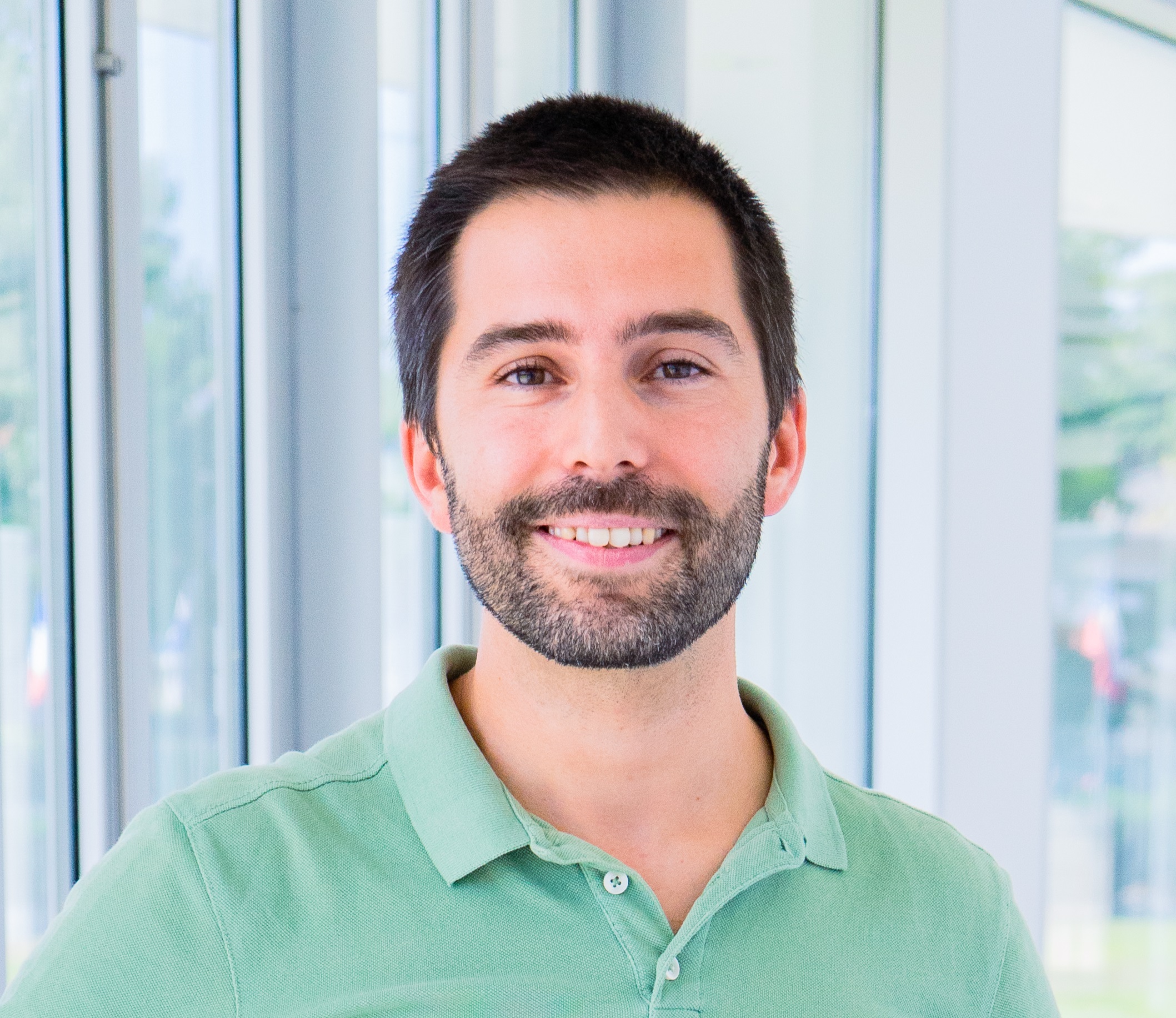
I am a Research Scientist at the International Iberian Nanotechnology Laboratory in Braga, Portugal. I focus on understanding multiphoton interference and how it can be used to solve difficult computational problems beyond the power of standard computers, namely Boson sampling. Among other things, I am working on techniques to validate the correct functioning of these devices and I am also interested to explore interacting bosonic systems, such as those appearing in superconducting circuits. These are some of the questions I would like to explore in the context of Veriqub.
What is your background in terms of previous work experience and academic discipline, and which specific perspective(s) does that background contribute to Veriqub?
I have done my PhD in the University of Lisbon in Portugal. My thesis was mostly about the study of quantum walks and how they can be used in quantum computation and simulation. During my PhD I have heard about the boson sampling problem through confereces and seminars, and I found it a quite fascinating topic since it connected a physics problem that is simple to formulate – the interference of multiple photons – and complexity theory. I had the opportunity to pursue this topic in my postdoc at Université libre de Bruxelles in Belgium, which I continued since I joined INL. My recent work has focused on what kind of interesting physical phenomena can be observed in multiparticle interference but also on validation and simulation of noisy quantum experiments with bosons, which are relevant for Veriqub.
What are the aspects you’re most excited in the Veriqub project?
There are two main aspects I am excited about. First, my research has focused more on the discrete-variable approach to photonic quantum computation, although I have some work that uses the “continuous-variable“ aspects of quantum states of light. In turn, Veriqub gathers many experts on this continuous-variable approach for bosonic quantum computers, which will be a great opportunity for me to learn a lot and expand my research into new directions. I am also very excited with the possibility to collaborate with experimentalists using this continuous-variable approach in optical systems or superconducting circuits.
What is the one thing that you desperately need in your daily work routine?
This is probably an usual answer for many more senior researchers, but time for creative thinking is crucial and I would definitely like to have more of that.
Could you also talk about an activity that helps you release stress after a hard week at work?
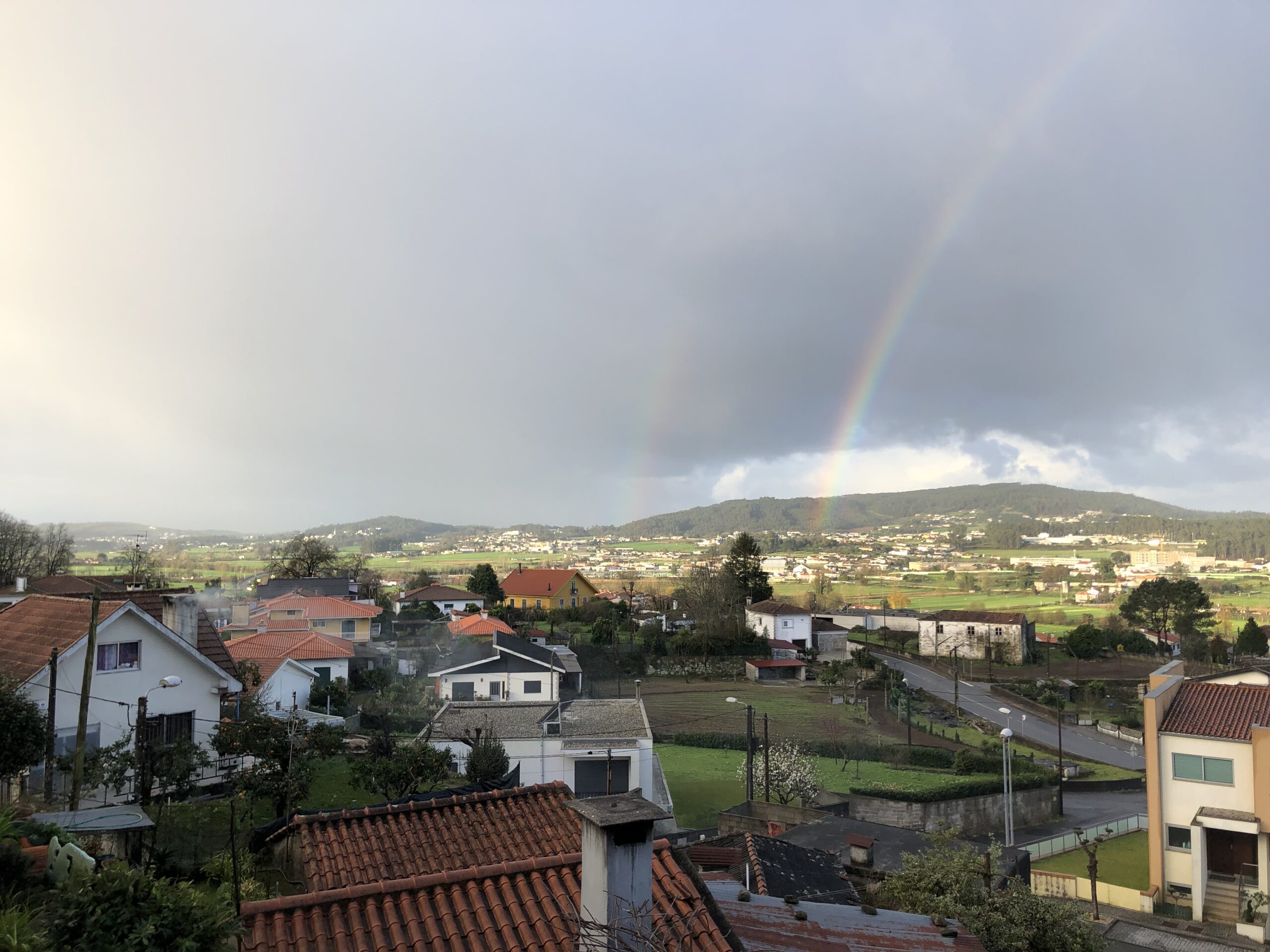
Sports help a lot to manage a stressful week. I try to go for a run or to the swimming pool. I live in a more rural area, even though it’s just half an hour drive from work. It is nice to run close to the corn fields or in the woods nearby and empty the mind of the usual life and work stresses.